
Moose // Postbellum jousting // Charles Saunders // Fixing the CBC
Adam's Notes for February 23, 2026

About Me | Instagram | Goodreads | Letterboxd
A family of moose wandered through the neighbourhood the other day:

Postbellum Jousting
I was reminded this week that for a time just after the American Civil War, newly freed Blacks took an interest in medieval chivalry, I presume by way of Walter Scott, who was beloved by the slave-owning class.
Abstract: The ring tournament is an American version of the medieval jousting tradition that had been reserved for the white wealthy planter elite in America for generations. After the Civil War it became an African American cultural practice, whose history has been all but lost to time. Immediately following emancipation, ex-slaves across the South began hosting and participating in ring tournaments through which they asserted their agency while harnessing the sport’s ability to empower the riders and their communities. The tournaments also influenced local politics and challenged power structures. In essence, the black tournaments became a symbol of freedom. The figure of a black man mounted on horseback wielding a dangerous lance, while magnificent in the eyes of African Americans and abolitionists, outraged many white tournament riders and intrigued spectators from every race and class. Nevertheless, black tournaments stamped an enduring impression on spectators across the South and the Union, as the events were reported on in the press nationwide. Even as the exConfederates in the New South grasped at the fragments of their shattered pride and its castle walls began to crumble, Black Knights and Black Queens rose as symbols of resistance that signaled imminent cultural shifts and power struggles in the South for generations to come.
Link to PDF. From Tilting Toward Freedom: African American Ring Tournaments in in a Postbellum South (2021) by Lauren S. Hanson and Carmen Harris.
I haven’t been able to find a whole lot more than this, just a few clickbait pieces, but I would love to read more. I can’t help but think it would make for a great novel: two worlds juxtaposed, one the world of knighthood as portrayed in nineteenth century literature (both idealistic but also admitting to the contradictions and fantastic nature of the dream, not so much Cervantes’ satire as Ariosto’s winking smile) and the other the Black struggle for freedom and dignity during Reconstruction. Alas, it’s not my story to tell, but I hope someone will tell it, someday.

Charles R. Saunders
The call to adventure came from a stranger in July 2020. It was a regular day in that plague year. Amid the mix of work emails came one from an address I didn’t know but with a subject line that immediately pulled me in: “Charles Saunders.”
Hi Jon, I am hoping you might know or know about the writer, Charles Saunders, who lives in Dartmouth, the message opened.
Reading his name conjured up strong images of the towering newspaper editor I’d worked with a decade ago. Built like a heavyweight boxer, but he moved like a cat. A genius with words and a wealth of writing wisdom, Charles was the senior editor on the Halifax Daily News and had written an iconic column on Black issues. The Daily News was a scrappy newspaper that broke a few noses in our city. Politicians feared us and regular folks cheered us.
I’d started working there as a night-shift copy editor in 2006. One colleague said working on the news rim was like doing your homework with friends late at night. We’d fall into a studious silence as we cleaned up the writing, checked the facts, and crafted the headlines, then burst into laughter when someone—occasionally Charles—made a pun too rude to publish but too delightful not to share.
Link.
This piece in The Walrus is an excerpt of the new Charles Saunders biography. Saunders’ life intersected two of my niche interests, Nova Scotia journalism and Sword and Sorcery fiction. Saunders pioneered a subgenre he called Sword and Soul, where the setting is based on fantasy versions of historical African kingdoms, the way so much fantasy uses Europe. There’s a good essay somewhere where he writes about how he enjoyed the adventures of Tarzan novels when he was young, but as a Black kid in Pennsylvania, the racism and colonial attitudes of the stories kept him from getting fully onboard.
I thought about writing to him once circa 2019 when I learned that he lived in Nova Scotia (my understanding is the he came to Canada as a draft dodger, which some bios admit out of embarrassment, but which I think is pretty cool). I never did write to him and I really regret that. He died alone in his apartment and it was awhile before anyone found him. I look forward to reading Jon Tattrie’s biography.
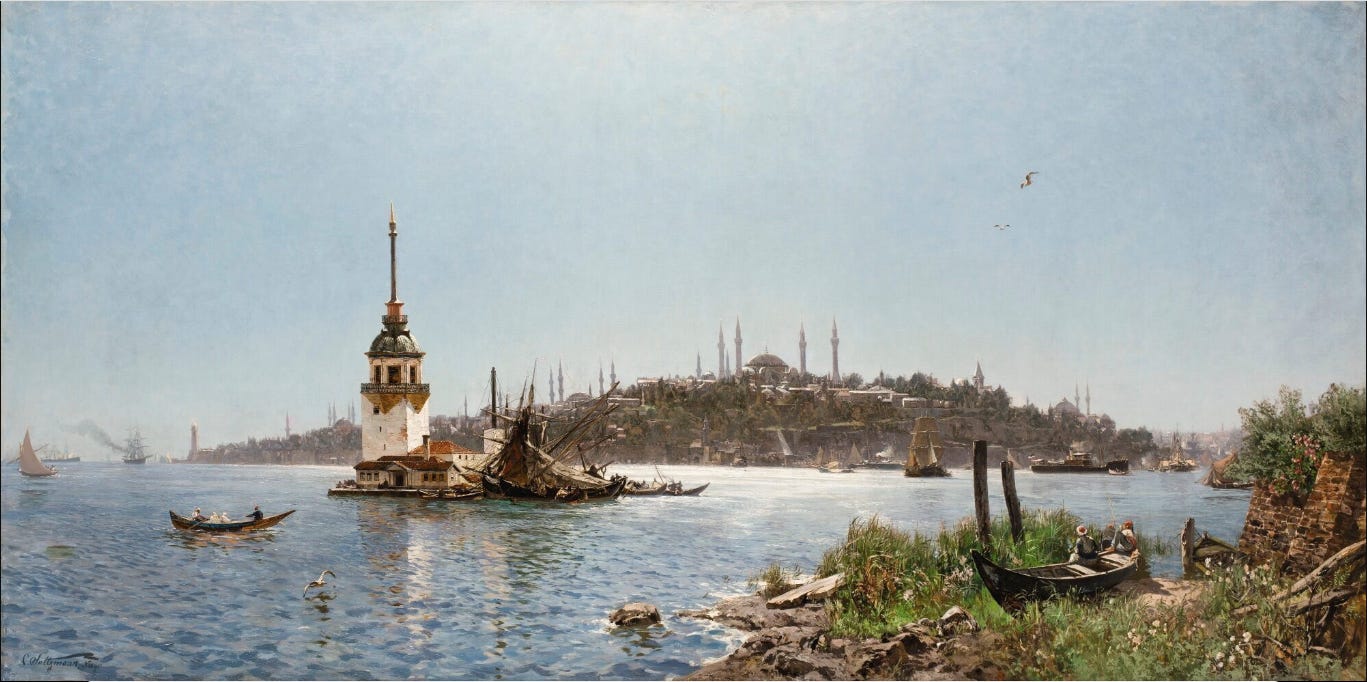
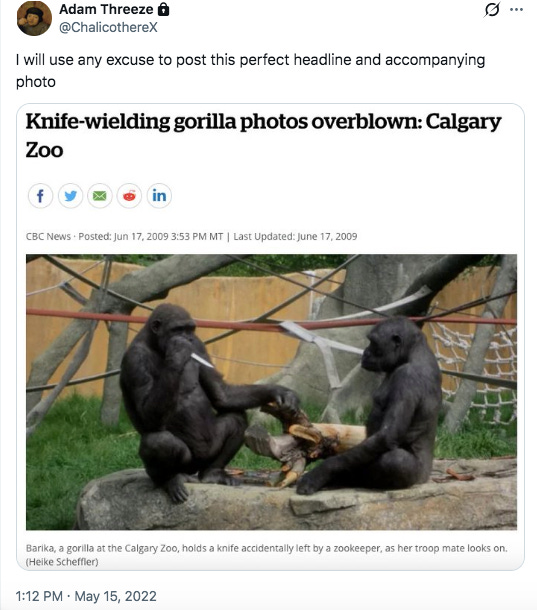
The Literary Review of Canada has a piece on a new book calling for reform at the CBC. I used to listen to a lot of CBC Radio One, and I still listen once in a while, but it’s embarrassing how bad it’s got in the last few years. As such, I’ve been thinking a bit about what I would do I was in charge of fixing the Mother Corp:
More news, fewer panelists. Pundits are like mushrooms, growing on dead institutions instead of fallen logs. Do real news, which means opening bureaus in small towns and overseas. The regional morning and afternoon shows are usually okay, but someone in Grand Prairie has to listen to the regional show out of Edmonton, and far flung rural audiences aren’t as captive as they used to be.
We need more stuff in the vein of Frontburner, the only news program of recent years that really works. Partly it works because it avoids the format other news programs use. It’s a little more conversational in tone and it doesn’t try to cover twelve different topics in an hour. When the host apologizes for running out of time, which happens only occasionally, you don’t get the sense she’s breathing a sight of relief or suffering from PTSD, which is how a lot of other hosts come off, who all seem like they’re afraid of being yelled at. Maybe this is because Frontburnt is not front and centre at the CBC, you have to either to either seek out the podcast or wake up at five to hear an excerpt on the radio. More stuff like Frontburner and fewer flagship programmes makes it harder for reactionaries to target journalists and try to ruin their careers, which they love doing.
Kill Cross Country Checkup. It turned Rex Murphy into a vampire, Duncan McCue left the CBC (I think?), and Ian Hanomansing seems like a nervous wreck whenever a contentious topic comes up.
Still, there needs to be some way for the public to engage with the CBC and to have their opinions heard. I don’t have an answer, though. Obviously, allowing comments under articles didn’t work.
Stop doing that thing where you pretend to interview an expert but then run two minutes of something pre-recorded to get their take on it. It’s number three on this list by Nora Loreto. The Current is really bad for it and I immediately stop paying attention whenever I notice it happening.
Land & Sea is by far the best thing the CBC has ever done, and the rest of the country deserves something similar (‘Rocks & Trees?’). I want to see an episode about the mushroom factory in Winnipeg. I want to find out what happens in Saskatoon.
Fire Rosemary Barton. I’m not a Conservative, I don’t want to defund the CBC, but I can’t help but sympathize with Cons when they complain about her. People stopped trusting her when she took that selfie with Trudeau when he entered office in 2015, and it’s been downhill ever since. I don’t like throwing people out of work, but she’ll be fine. Probably end up in the senate.
More historical context. We are a nation of goldfish-brained morons who have no idea what happened even ten years ago, let alone twenty or fifty. Most people have no context for anything that’s happening, or how our system of government differs from the American system as portrayed on TV. I mean, Danielle Smith thought she could pardon people like an American governor. You see this anytime something specific to the parliamentary system happens, as with recent floor crossings, where people supporting the losing party assume they’ve been cheated. There was actually a good Canadian Press piece on this recently that explained that since Confederation there have been over 300 floor crossings. I remember reading it and being mildly surprised, as I’ve never read a news piece offering that kind of context.
Mark Fisher aka K-Punk (RIP) has an essay somewhere (I’m too lazy to look it up, I’m sure it’s in Capitalist Realism) where he wrote about how the BBC used to make film and documentary making accessible to anyone who wanted to try. That’s why the UK has an Adam Curtis and we don’t. Canada used to make great documentaries, and we should try doing that again. The National Film Board still does this, but maybe the CBC should move into that space. Give people training, equipment, internet hosting, etc. Give them some guidelines but don’t hold them to the same restrictive standards as reporters, and advertise and platform the stuff that comes out well. They’re sort of doing this with podcasts now, but only in a very limited way. Maybe they could also look to what public libraries are doing with podcast studios, etc.


My take: their motto is in Latin and their top priority is not letting women into the club. Possum Lodge is Catholic.
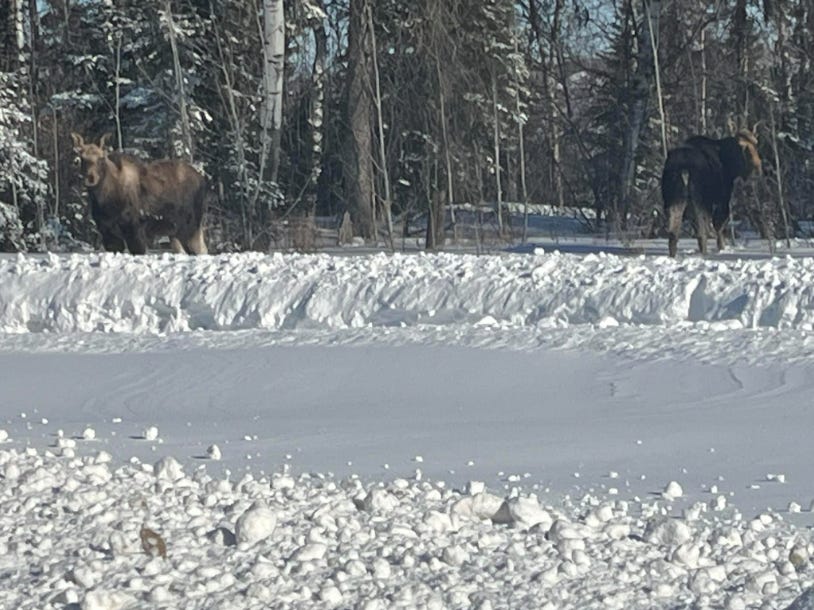
I should’ve got a picture of the street, this looks like a rural area, but it’s really not, and that’s only a very small strip of woods.

“Anything is possible, and it always has been. For the world was once just a dream in a god’s eye, and the man who gives up on himself makes that very same god look away.”
― Ferdia Lennon, Glorious Exploits
Thanks for reading to the end. Please let me know if you like my attempt at a Toozian Chartbook-style format and if you think I should keep at it.
More from Adam’s Notes:
Just popping in to say I enjoy reading these immensely
I like the format explorations!